
Complete Guide to Gangajal: Origin, Uses, Spiritual Meaning & Scientific Facts
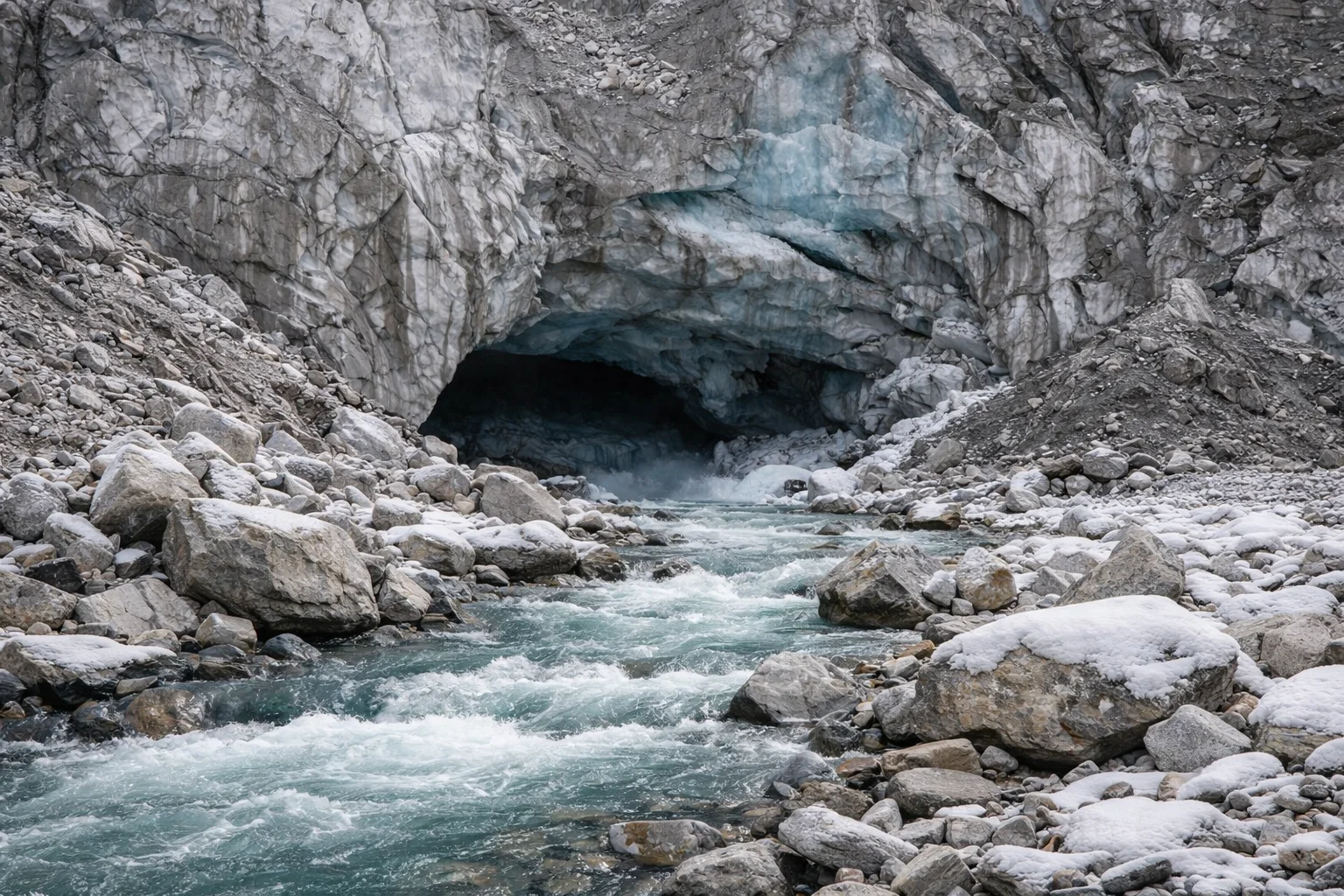
For thousands of years, Gangajal the sacred water of the Ganga River has held a special place in Hindu traditions and spiritual practices. Devotees across India and around the world store this holy water in their homes, temples, and prayer spaces. It is used during rituals, festivals, purification ceremonies, and important life events.
But Gangajal is more than just a religious symbol. Its significance comes from a unique combination of ancient mythology, cultural tradition, geographic origin, and intriguing scientific properties.
This complete guide explores:
- The origin of Gangajal
- Why it is considered sacred
- How it is used in rituals
- The science behind its unusual properties
- And how authentic Gangajal is sourced today.
The Origin of Gangajal in the Himalayas
The journey of the Ganga River begins in the Himalayas in the state of Uttarakhand. The main headstream of the river, the Bhagirathi, originates from the glacier known as Gomukh Glacier.
This glacier sits at an altitude of around 4,000 meters and is widely regarded as the traditional source of the Ganges. Geographic research describing the Gomukh glacier as the origin point of the Bhagirathi River explains that meltwater from the glacier forms the early flow of the river.
From here, the river travels through the Himalayan valleys before reaching towns such as Gangotri, Uttarkashi, Rishikesh, and Haridwar. Eventually, it flows across the northern plains of India for more than 2,500 kilometers before emptying into the Bay of Bengal.
Because the river begins in a pristine glacial environment, the earliest water near the source is considered the most sacred and pure.
Water sourced from these upstream Himalayan regions such as the sacred water preserved by Poorthi remains closest to the natural origin of the river before it flows through densely populated regions.
Why Gangajal Is Considered Sacred
The sacredness of Gangajal is deeply rooted in Hindu mythology and religious belief.
According to ancient texts such as the Bhagavata Purana, the Ganga originally flowed in the heavens. The river descended to Earth after the penance of King Bhagiratha, who sought salvation for his ancestors.
To prevent the powerful river from destroying the Earth during its descent, Lord Shiva captured the water in his matted hair before releasing it gently to the land.
This mythological origin is why the Ganga is revered as Maa Ganga, a divine goddess believed to cleanse sins and purify the soul.
The cultural significance of the river is also documented in historical research discussing the importance of the Ganges in Indian civilization.
Because of this spiritual heritage, Gangajal is believed to carry divine blessings.
If you want to explore this spiritual dimension further, you can read our detailed explanation of why Gangajal is considered sacred.
Common Uses of Gangajal in Hindu Rituals
Gangajal plays a central role in many Hindu religious practices.
Devotees often store it in copper or brass vessels and use it during sacred ceremonies.
Some of the most common uses include:
Daily Puja
Many households sprinkle Gangajal around their prayer area before beginning daily worship. It is believed to purify the space and invoke divine blessings.
House Purification
During housewarming ceremonies, known as Griha Pravesh, Gangajal is sprinkled throughout the home to purify the environment.
Temple Rituals
Priests frequently use Gangajal during temple offerings, abhishekam rituals, and sacred chants.
Weddings and Festivals
During Hindu weddings and festivals such as Diwali and Navratri, Gangajal is often used to sanctify rituals.
Last Rites
In Hindu funeral traditions, a few drops of Gangajal may be placed in the mouth of the deceased. This act symbolizes spiritual purification and liberation of the soul.
You can explore more about these practices in our guide on the uses of Gangajal in spiritual rituals.
The Science Behind Ganga Water
Beyond its spiritual importance, the Ganga River has also fascinated scientists.
Researchers have long observed that water from the Ganga appears to have unusual properties compared to many other rivers.
One of the most discussed phenomena is that Ganga water sometimes remains fresh for long periods even when stored.
Scientific studies investigating the unique microbiology of the Ganges River ecosystem suggest that bacteriophages viruses that attack bacteria are present in the water.
These bacteriophages may help reduce harmful bacterial populations.
Another factor researchers often mention is the river’s unusually high oxygen retention capacity. The fast-moving Himalayan currents mix oxygen into the water, creating conditions that discourage bacterial growth.
These characteristics contribute to the river’s long-standing reputation as a self-purifying river system.
Minerals and Himalayan Geology
As the Ganga flows down from the Himalayas, it passes through layers of rock, sediment, and glacial deposits.
During this journey, the water absorbs trace minerals from the surrounding geology.
Geological research examining Himalayan rivers and their sediment transport systems shows that mountain rivers often carry mineral-rich water due to the erosion of rock formations.
These minerals influence the chemical composition of the water and may also affect microbial activity within the river ecosystem.
Why Authentic Source Matters
Although the Ganga originates in the Himalayas, the river travels through numerous cities and agricultural regions along its long journey.
Because of this, many devotees prefer Gangajal sourced closer to the river’s origin before it encounters heavy human activity.
This belief is rooted both in spiritual tradition and environmental logic.
Authentic sacred water sourced from the upstream Himalayan region retains the characteristics of its glacial origin.
This is why Poorthi focuses on sourcing water from the pristine Himalayan region toward Gomukh, preserving its natural state before the river flows through populated plains.
You can learn more about the brand’s philosophy and sourcing process on the Poorthi About page.
How Gangajal Is Stored at Home
Devotees traditionally store Gangajal in small containers made of copper, brass, or glass.
When properly sealed and kept in a clean environment, the water can be stored for long periods.
Many households keep a small container in their prayer room and use it during important ceremonies.
The ability to preserve sacred water at home allows families to maintain a spiritual connection with the Ganga even if they cannot travel to the river itself.
Pilgrimage and the Ganga
Pilgrimage is an important part of the Ganga’s cultural heritage.
Many devotees travel to sacred sites along the river to bathe in its waters and collect Gangajal themselves.
Some of the most important pilgrimage locations include:
- Gangotri
- Haridwar
- Rishikesh
- Varanasi
Millions of pilgrims visit these locations every year to participate in spiritual rituals and collect sacred water.
Modern Access to Sacred Gangajal
Today, not everyone has the opportunity to travel to the Himalayas or pilgrimage sites to collect Gangajal personally.
For many devotees living in cities or abroad, authentic sacred water must be sourced through trusted channels.
Brands such as Poorthi aim to preserve the authenticity of Gangajal by sourcing water from the upper Himalayan region and packaging it carefully so that it can be safely stored in households.
This allows families to keep the blessings of Maa Ganga close to their daily rituals and spiritual practices.
Conclusion
Gangajal is far more than river water. It represents centuries of spiritual tradition, cultural identity, and reverence for nature.
From its glacial origins in the Himalayas to temples and homes across India, the Ganga continues to inspire faith and devotion.
The sacred water of the river connects mythology, geography, science, and spiritual practice in a way few natural elements can.
By preserving authentic water from the Himalayan source, Poorthi helps ensure that this timeless tradition remains accessible to devotees everywhere.
Whether used in daily prayers, festivals, or important life ceremonies, Gangajal continues to symbolize purity, blessing, and the eternal flow of the sacred river.