
Why Is Ganga Jal Considered Sacred? Spiritual, Scientific & Historical Reasons
For thousands of years, Ganga Jal (water from the Ganga River) has held a sacred place in Hindu traditions. Devotees across India use it in prayers, rituals, temple ceremonies, and purification practices.
Many households keep Ganga Jal because it is believed to carry divine blessings and spiritual purity. If you want to understand the deeper meaning behind this belief, you can also read our detailed guide on why Ganga water never spoils. The sacredness of Ganga Jal comes from a combination of spiritual beliefs, ancient traditions, historical importance, and fascinating scientific properties.
The Spiritual Significance of Ganga Jal
In Hindu belief, the Ganga River is not just a river but a divine goddess known as Maa Ganga. Ancient Hindu scriptures describe the river as descending from the heavens to cleanse humanity.
The river itself is known worldwide as the Ganges River
Because of this spiritual connection, Ganga Jal is used in many rituals such as:
-
Daily puja
-
Temple ceremonies
-
House purification
-
Weddings and festivals
-
Last rites
Many devotees therefore prefer authentic Ganga Jal sourced from the Himalayan origin
The Sacred Origin of the Ganga River
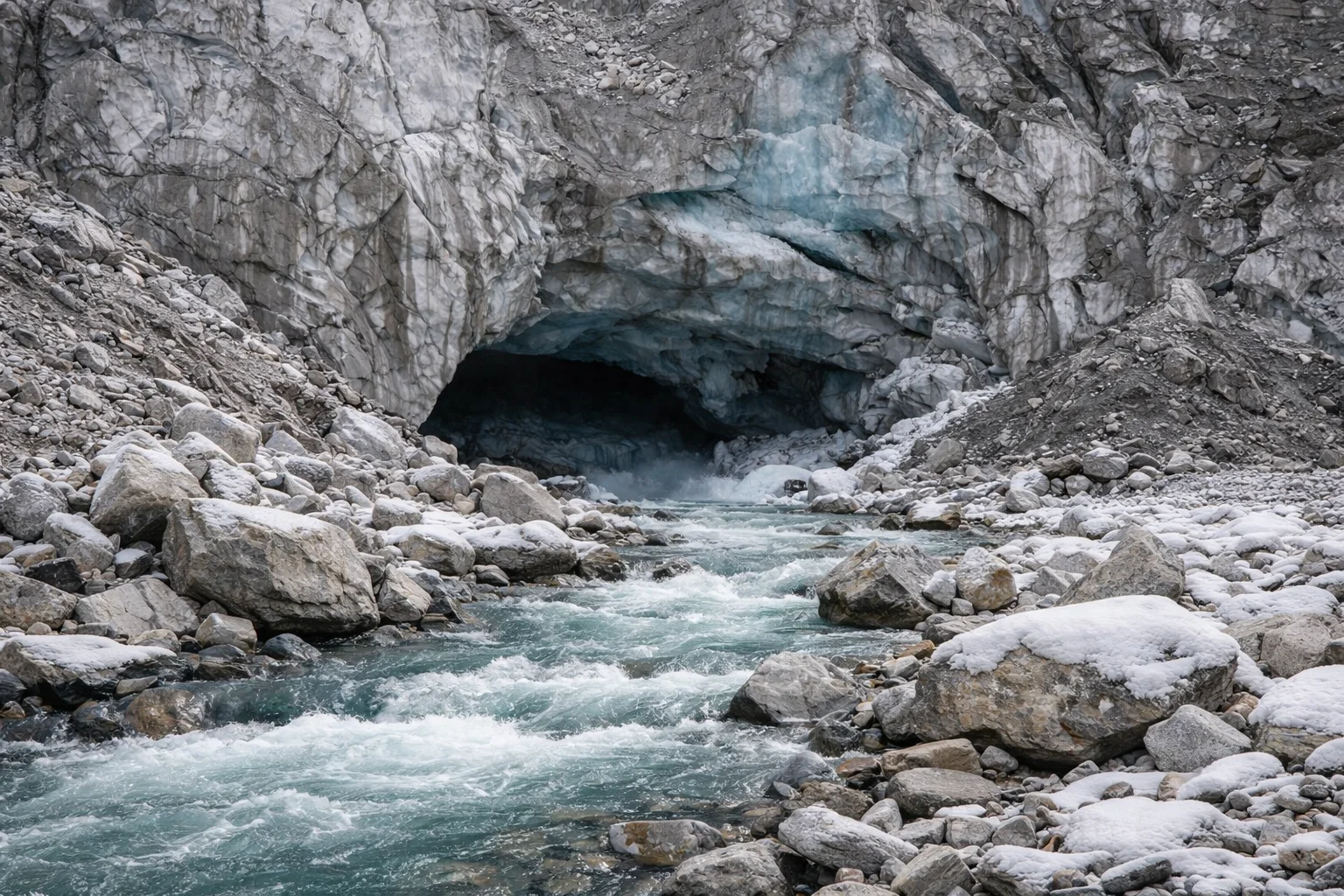
The Ganga River begins its journey in the Himalayas at the Gaumukh Glacier
This glacier lies near the pilgrimage site of Gangotri Temple
The water emerging from this glacier is considered the purest form of Ganga Jal, because it has not yet passed through towns or human settlements.
This upstream region is where many devotees believe the river retains its most sacred form. Brands such as Poorthi source Ganga Jal from the pristine Himalayan region toward Gaumukh before it flows through populated areas.
Why Ganga Jal Is Used in Hindu Rituals
Ganga Jal is an essential part of many Hindu ceremonies.
It is believed that sprinkling Ganga Jal purifies a place and removes negative energies.
Some of the most common rituals where Ganga Jal is used include:
Daily Puja
Devotees offer Ganga Jal during prayers to invoke blessings.
Griha Pravesh
During housewarming ceremonies, Ganga Jal is sprinkled throughout the home.
Weddings
Many Hindu marriage rituals include the use of sacred Ganga water.
Final Rites
Ganga Jal is often offered during last rites to symbolize spiritual purification.
Because of these traditions, many families prefer to keep authentic Ganga Jal at home for puja and rituals
The Scientific Perspective Behind Ganga Water
Interestingly, the sacred reputation of the Ganga is not based only on religious beliefs.
Scientists studying the Ganges River ecosystem discovered that the water contains natural bacteriophages, microscopic organisms that destroy harmful bacteria.
Because these bacteriophages help control bacterial growth, they contribute to the unusual ability of Ganga water to remain fresh longer than ordinary river water.
This scientific curiosity is one reason researchers continue studying the unique properties of the river.
The Historical Importance of the Ganga
For thousands of years, the Ganga has been the lifeline of Indian civilization.
Ancient cities, temples, and pilgrimage centers developed along the river.
Some of the most famous sacred cities connected to the Ganga include:
Millions of pilgrims visit these places every year to bathe in the river and collect Ganga Jal.
Why Devotees Keep Ganga Jal at Home
Keeping Ganga Jal at home is a long-standing tradition in Hindu households.
Devotees believe it brings:
-
Spiritual purity
-
Divine blessings
-
Protection for the household
-
Sacred connection with Maa Ganga
For those who cannot travel to the Himalayas, it is now possible to obtain authentic Ganga Jal sourced from the sacred Himalayan region
Conclusion
The sacred reputation of Ganga Jal is rooted in centuries of spiritual belief, historical tradition, and fascinating scientific observations.
For millions of people, Ganga Jal represents far more than water. It symbolizes purification, devotion, and the divine presence of Maa Ganga.
From the Himalayan glaciers to homes across the world, the sacred journey of the Ganga continues to inspire faith and reverence.
Why is Ganga Jal considered sacred in Hinduism?
Ganga Jal is considered sacred because the Ganga River is worshipped as Maa Ganga in Hindu tradition. The river is believed to purify the soul and remove spiritual impurities, making its water holy for rituals and prayers.
Where does Ganga Jal come from?
Ganga Jal comes from the Ganga River, which originates from the Gaumukh Glacier in the Himalayan region near Gangotri. Water from this upstream region is considered the purest form.
Why does Ganga water not spoil?
Scientists have found that Ganga water contains natural bacteriophages and unique mineral properties that help control bacterial growth, allowing the water to remain fresh longer than typical river water.
What is Ganga Jal used for?
Ganga Jal is commonly used for daily puja, temple rituals, house purification, weddings, festivals, and last rites in Hindu traditions.
Can Ganga Jal be stored for a long time?
Yes. Many devotees store Ganga Jal in sealed containers for years. When stored properly, the water often remains clear and usable for rituals.
Why do people keep Ganga Jal at home?
Keeping Ganga Jal at home is believed to bring spiritual purity, divine blessings, and a sacred connection to Maa Ganga.
Is it safe to drink Ganga Jal?
Traditionally, Ganga Jal has been consumed in small quantities during religious rituals. However, drinking water should always be treated or verified for safety before regular consumption.
Which Ganga Jal is considered the purest?
Many devotees believe that Ganga Jal collected near the Himalayan origin of the river, especially the region toward Gaumukh Glacier, is the purest form because it has not yet passed through populated areas.
Can Ganga Jal be used for daily puja at home?
Yes. Ganga Jal is commonly used in daily puja to purify the prayer space, offer water to deities, and sprinkle around the home for spiritual cleansing.